5 Best Knee Pain Exercises (2026)
Beginner-Friendly · Clinically Supported · OA & RA Safe
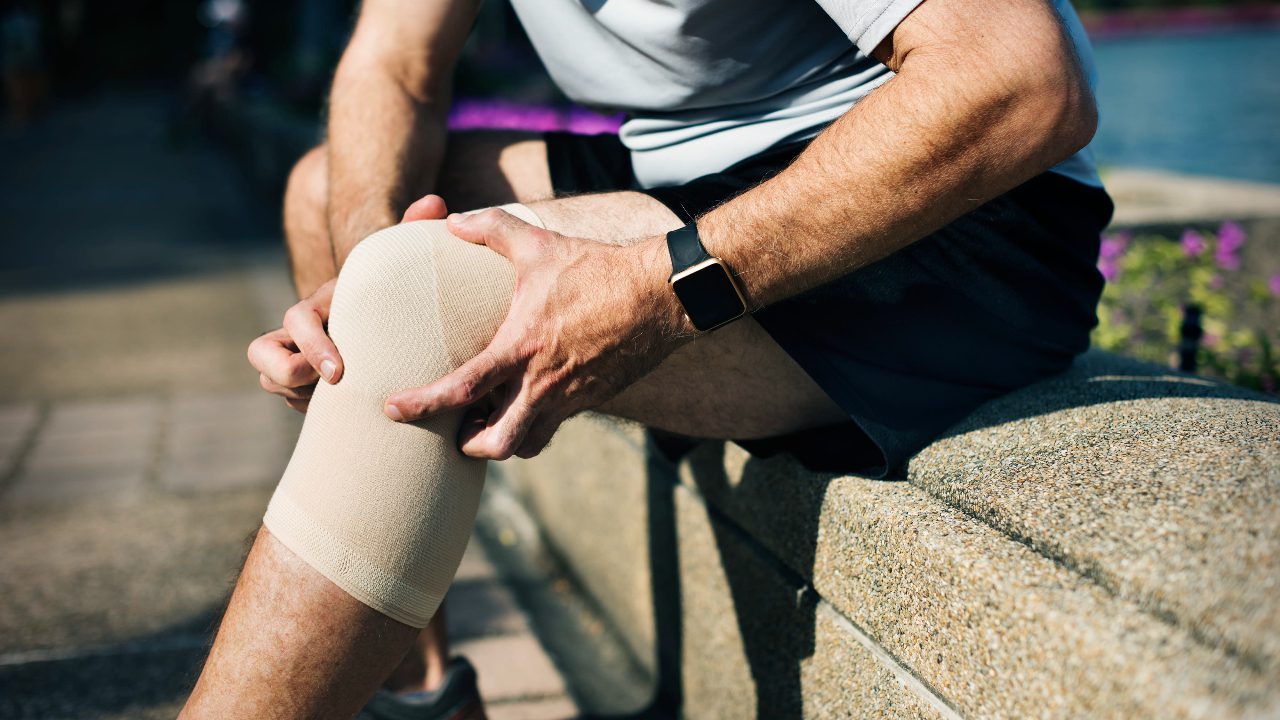
Targeted knee exercises can significantly reduce pain, improve mobility, and strengthen the muscles that protect your joint. This guide covers the 5 most effective evidence-backed exercises — with step-by-step instructions and tips for people managing osteoarthritis and rheumatoid arthritis.
⚠️ Medical disclaimer — read before starting
These exercises are for informational purposes and do not replace medical advice. If you have a diagnosed condition (severe OA, ligament tear, recent surgery, inflammatory flare), consult your healthcare provider or physiotherapist before starting. Stop immediately and seek advice if you experience sudden swelling, locking, or pain that worsens during exercise.
Why Knee Exercises Work for Joint Pain
Knee pain is rarely caused by the joint in isolation. In most cases, weak quadriceps, underactivated glutes, and poor hip stability increase stress on the knee joint during every step. Research consistently shows that targeted strengthening of the muscles surrounding the knee reduces pain and improves function in both OA and RA — without the side effects of medication. (PubMed)
A graded weight-bearing exercise program published in MDPI showed significant improvements in pain and function in knee osteoarthritis patients. (MDPI) Stretching and flexibility programs reduce discomfort further by improving joint range of motion and reducing the muscle tension that amplifies pain. (PubMed)
✅ What exercise actually does for your knee
Strengthening the quadriceps, glutes, and hip stabilisers reduces the load transferred to the knee cartilage with each step. Better proprioception (joint position awareness) from regular exercise reduces the risk of further injury. Improved circulation from movement reduces morning stiffness — one of the most common RA and OA complaints. Exercise is the single most evidence-backed non-pharmacological intervention for knee OA. (PubMed)
Before You Start — The Warm-Up
Never start strength exercises cold. Spend 5–10 minutes on light cardio first — a slow walk, stationary bike, or gentle marching in place. This increases blood flow to the joint, warms the synovial fluid, and reduces injury risk. If you have RA, avoid exercising during an active flare — rest the joint until acute inflammation settles, then return gradually.
The 5 Best Knee Pain Exercises
Glute Bridge
Beginner No equipment OA & RA safeWhy it helps: Activates the glutes and hamstrings — the primary muscles that absorb load before it reaches the knee. Weak glutes are one of the most common contributors to knee pain in OA patients.
How to perform:
- Lie on your back with knees bent, feet flat on the floor hip-width apart, arms at your sides.
- Engage your core and gently press your lower back into the floor.
- Squeeze your glutes and lift your hips until your body forms a straight line from shoulders to knees.
- Hold at the top for 2–3 seconds, squeezing the glutes actively.
- Lower slowly and repeat 10–15 reps. Rest 30–60 seconds between sets.
💡 Tips
Don’t arch your lower back at the top — the movement comes from the glutes, not the spine. If this is easy, progress to single-leg glute bridges (one foot on the floor, one leg extended). 3 sets of 12–15 reps is a good target.
Wall Sit with Ball Squeeze
Beginner Small ball or pillow Avoid in acute flareWhy it helps: Strengthens the quadriceps, glutes, and inner thigh (adductor) muscles simultaneously — improving knee alignment and reducing valgus collapse (knee caving inward), a major driver of OA progression.
How to perform:
- Stand with your back flat against a wall, feet shoulder-width apart, 12–18 inches from the wall.
- Place a small ball or folded pillow between your knees.
- Slide down until your knees are at approximately 90° — as if sitting in a chair.
- Squeeze the ball gently and hold for 20–30 seconds. Breathe steadily.
- Press through your heels to rise slowly. Repeat 3–4 sets.
💡 Tips
Keep knees aligned over your second toe — don’t let them cave inward. If 90° is painful, start with a shallower bend (45–60°) and gradually increase depth over weeks. Stop if you feel sharp pain in the knee joint itself.
Step-Up
Low step required Functional movement Start lowWhy it helps: Directly replicates the stair-climbing movement that most people with knee pain find difficult. Strengthens quads and glutes in a functional pattern while building confidence with loaded knee flexion.
How to perform:
- Use a stable, low step (6–8 inches to start — a bottom stair works perfectly).
- Stand facing the step, feet hip-width apart. Use a handrail or wall for balance if needed.
- Step up with one foot, pressing through the heel. Bring the other foot up to meet it.
- Step back down in a controlled manner — the descent is where most of the strength benefit occurs.
- Perform 8–12 controlled reps per leg. Focus on slow, controlled descent.
💡 Tips
The step down is more important than the step up — lower as slowly as you can (3–4 seconds). Press through the heel of the working foot, not the toes, to engage the glute more. Add dumbbells only when form is perfect and pain-free.
Hip Abduction with Resistance Band
Resistance band Beginner–Intermediate OA & RA safeWhy it helps: The gluteus medius — the muscle on the side of your hip — is consistently weak in people with knee OA. Strengthening it improves hip stability and prevents medial knee collapse, reducing the load on the inner knee compartment. (BMC Musculoskeletal Disorders)
How to perform (standing):
- Place a resistance band around your thighs, just above the knees.
- Stand tall with one hand on a wall or chair for balance.
- Keeping your pelvis level, lift the working leg directly to the side — no leaning.
- Hold for 1–2 seconds at the top, then lower slowly. 10–12 reps per side.
How to perform (lying — easier on joints):
- Lie on your side, band around ankles or thighs.
- Keep the bottom leg straight, top leg slightly forward.
- Lift the top leg to about 45° — pause — lower slowly. 12–15 reps per side.
💡 Tips
Don’t rotate the hip to get more range — this defeats the purpose. The movement should feel in the side of the hip, not the lower back. If you don’t have a resistance band, the lying version works without one.
Heel Slides + Calf Raises
Beginner No equipment Post-surgery safe (with clearance)Why it helps: Heel slides restore and maintain knee range of motion without load — ideal during flares or early recovery. Calf raises improve ankle stability and reduce the compensatory load on the knee during walking.
Heel slides — range of motion:
- Lie on your back, both legs straight.
- Slowly slide one heel toward your buttocks, bending the knee as far as comfortable without pain.
- Hold for 3–5 seconds at the end range, then slowly slide back out.
- 10–15 reps per leg. Move within a pain-free range only.
Calf raises — stability and circulation:
- Stand behind a chair, hands lightly on the back for balance.
- Rise up onto the balls of both feet as high as comfortable.
- Lower slowly over 3–4 seconds. 12–15 reps, 2–3 sets.
💡 Tips
Heel slides are particularly useful on high-pain days when full exercises aren’t possible — they maintain mobility without load. For calf raises, the slow descent is where the benefit is. Eccentric (lowering) calf work is especially effective for reducing Achilles and plantar fascia tension that contributes to knee compensation patterns.
How to Structure Your Routine
| Level | Frequency | Sets per exercise | What to focus on |
|---|---|---|---|
| Beginner | 3x per week | 2 sets | Form and pain-free range only |
| Intermediate | 4x per week | 3 sets | Slow tempo, especially on the lowering phase |
| Advanced | 5x per week | 3–4 sets | Progressive overload — add resistance band or light weight |
⏱️ A note on consistency
The research on exercise for knee OA consistently shows that consistency over 8–12 weeks is what produces meaningful pain reduction — not the intensity of any single session. Three moderate sessions per week for 3 months outperforms sporadic intense sessions every time. Track which exercises you complete each week and progress gradually rather than doing too much too soon.
When to Stop and See a Doctor
🛑 Stop exercising and seek medical advice if you experience:
Sudden swelling, redness, warmth, or fever around the joint (possible infection or acute flare) · Pain that worsens during or after exercise rather than improving · Locking, catching, or giving way of the knee · Night pain that interrupts sleep · Any new neurological symptom — numbness, tingling, or weakness in the leg
Supporting Your Knee Exercise Routine
Exercise addresses the muscular and biomechanical side of knee pain. The following products address the inflammatory and structural sides simultaneously — and are most effective when used alongside a consistent exercise routine rather than instead of one.
Selected Clinical References
MDPI — Graded weight-bearing exercise in knee OA · PubMed — Stretching meta-analysis · PubMed — Multi-component exercise programs · PubMed — Strengthening benefits in OA · PubMed — Hip and quad weakness in knee pain · BMC — Hip abductor strengthening for knee OA
Looking for more joint health support? Best Joint Supplements 2026 →
See all product reviews: JointLabPro Reviews & Recommendations →
Knee brace guide: PowerLix vs Bauerfeind Knee Brace Review →
* This article is for informational and educational purposes only and does not constitute medical advice. Always consult a qualified healthcare provider or physiotherapist before beginning a new exercise program, especially if you have a diagnosed joint condition, recent surgery, or are on prescription medications. Individual results vary. JointLabPro participates in the Amazon Associates affiliate program and may earn commissions on qualifying purchases at no extra cost to you.